
Recurrence, heat maps, trajectories and fixations
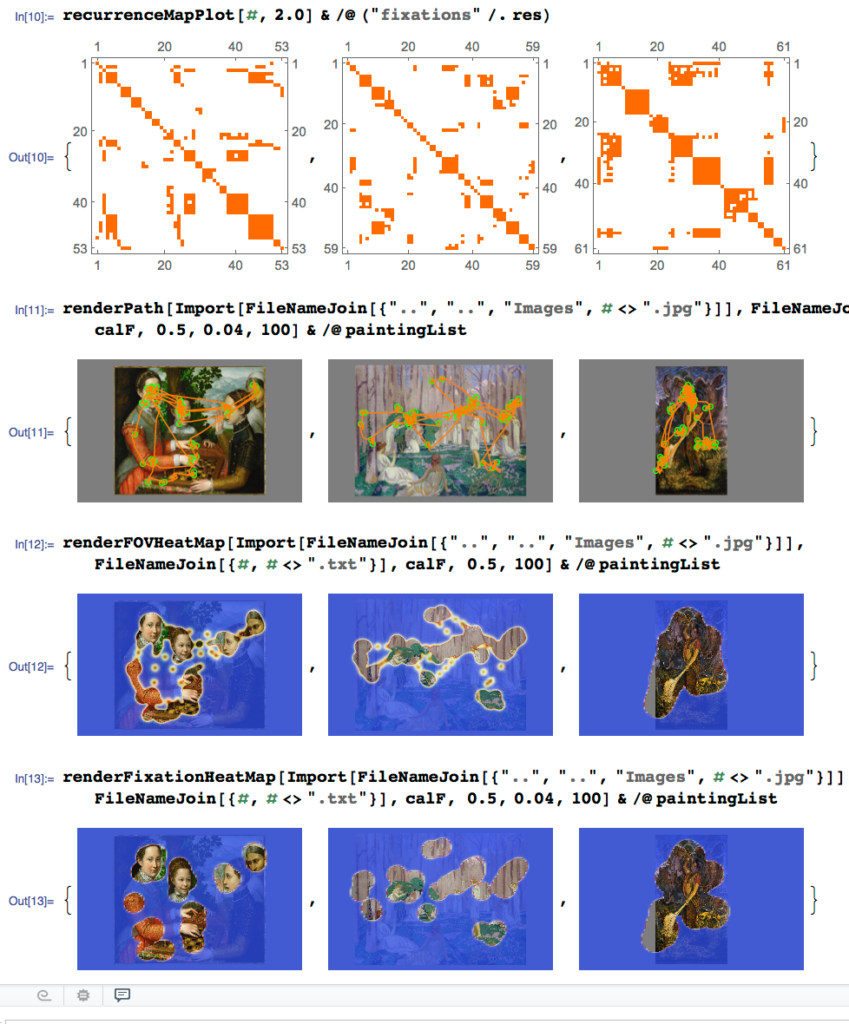 More analysis from Dave Jacobs’ eye tracking project. We wrote all the analysis code ourselves in Mathematica. There’s a bug in the heat map compositing, but I shall procrastinate a solution soon.
Lifted largely from Eye Tracking: A comprehensive guide to methods and measures .
.
We used some ideas from Anderson’s paper on recurrence, modifying them to make a little more sense. We’re still analyzing everything, but we have some interesting results so far.
Recurrence plot
Eye tracking recurrence ala Anderson et al. 2013.
With Dave Jacobs and the amazing Yarbus and Babcock software packages.

Curvature Field Computations
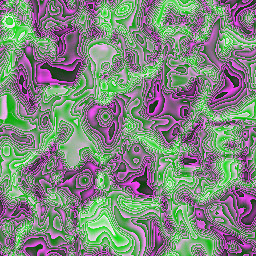 Curvature field calculations for a random noisy shape.
Colors represent magnitude of curvature. Iso-contours also shown in lovely pink.
Hairy Glaven
 Hairy elongated noisy stimulus.
The lines are surface normals, sampled across the object. They are generated using a continuous random method (sometimes called ‘noise’) and were used to test symmetry perception in 3D shape.
Sculpted Golden Boy
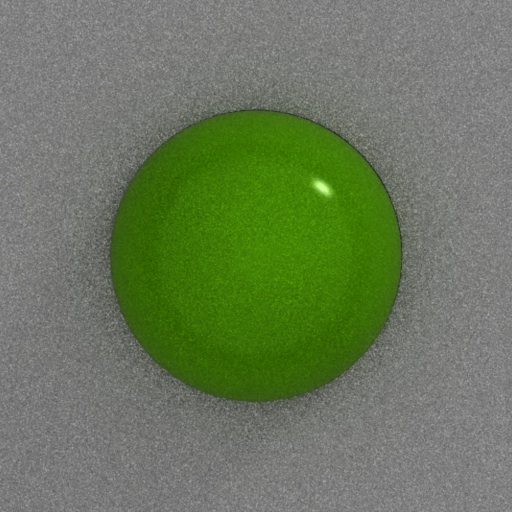
 A stimulus, # 13, otherwise known as ‘golden boy’
Colors indicate mapping of under- and over-sculpt from a shape production experiment where we had artists and non-artists reproduce shapes using only vision, touch, or some combination of both to observe the ‘target’ stimulus. Red indicates where sculptors put too much clay and blue where they didn’t put enough.
Statistical Shape of 3D Objects.
 Statistical distribution of shape on a 3D object.
A bell pepper from Norman et al.
Each color represents a class of shape ala Koenderink’s “Shape Index”. The histogram below shows the distribution along with a key to the shape categories illustrated above.
Anticipation of Sabre Fencing Attacks
 A set of motion-capture trajectories for the Anticipation of Sabre Fencing Attacks paper by Pete Possidente and I.
You can see the ‘whip’ of the tip of the sabre at the end of the attack (green dots on top). The rest are body joint positions. The whole attack took place over about 3m in about 2s.

Volume Render of Fish Neural Development
A volume rendering (again, via Mathematica) of some developing neural structures in zebrafish.
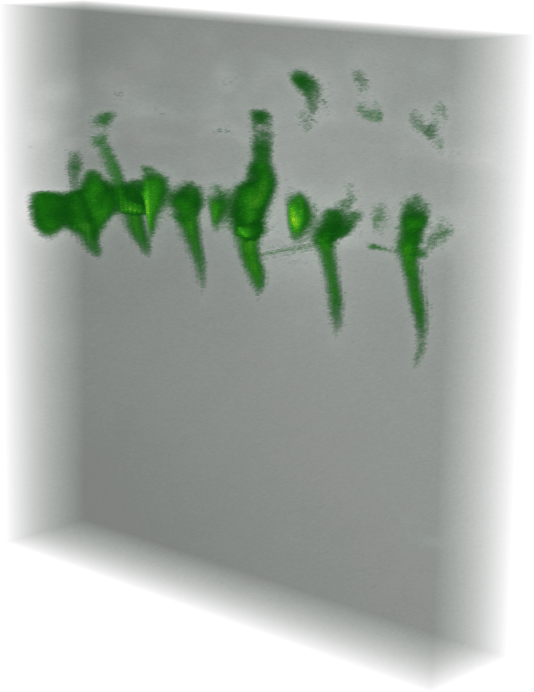
With Aaron Beck and Jen Bonner @ Skidmore.
Marroquin patterns
I notice that I seem to generate a lot of images while doing analysis, largely using Wolfram Research’s Mathematica…
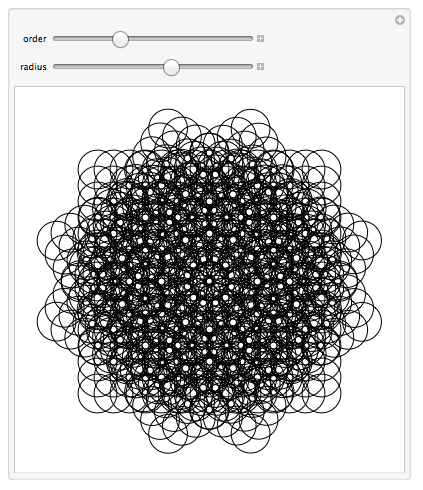
so, maybe every day I should post one of those images here- an image of something I’m working on, an “Image of the Day” (IotD) or some such.
This is a “Marroquin Pattern” used by, amazingly enough, Marroquin, to study top-down perceptual phenomena. It’s an interactive Mathematica CDF, but here’s an image.
If you’d like the CDF, just let me know and you can play around with the patterns yourself.
Marroquín, J. L. (1976). Human Visual Perception of Structure.